Sewage Treatment PAM Articles & Buying Guides
Longer articles with more operational detail, written for plant managers, buyers, and engineers who need practical context before requesting samples.
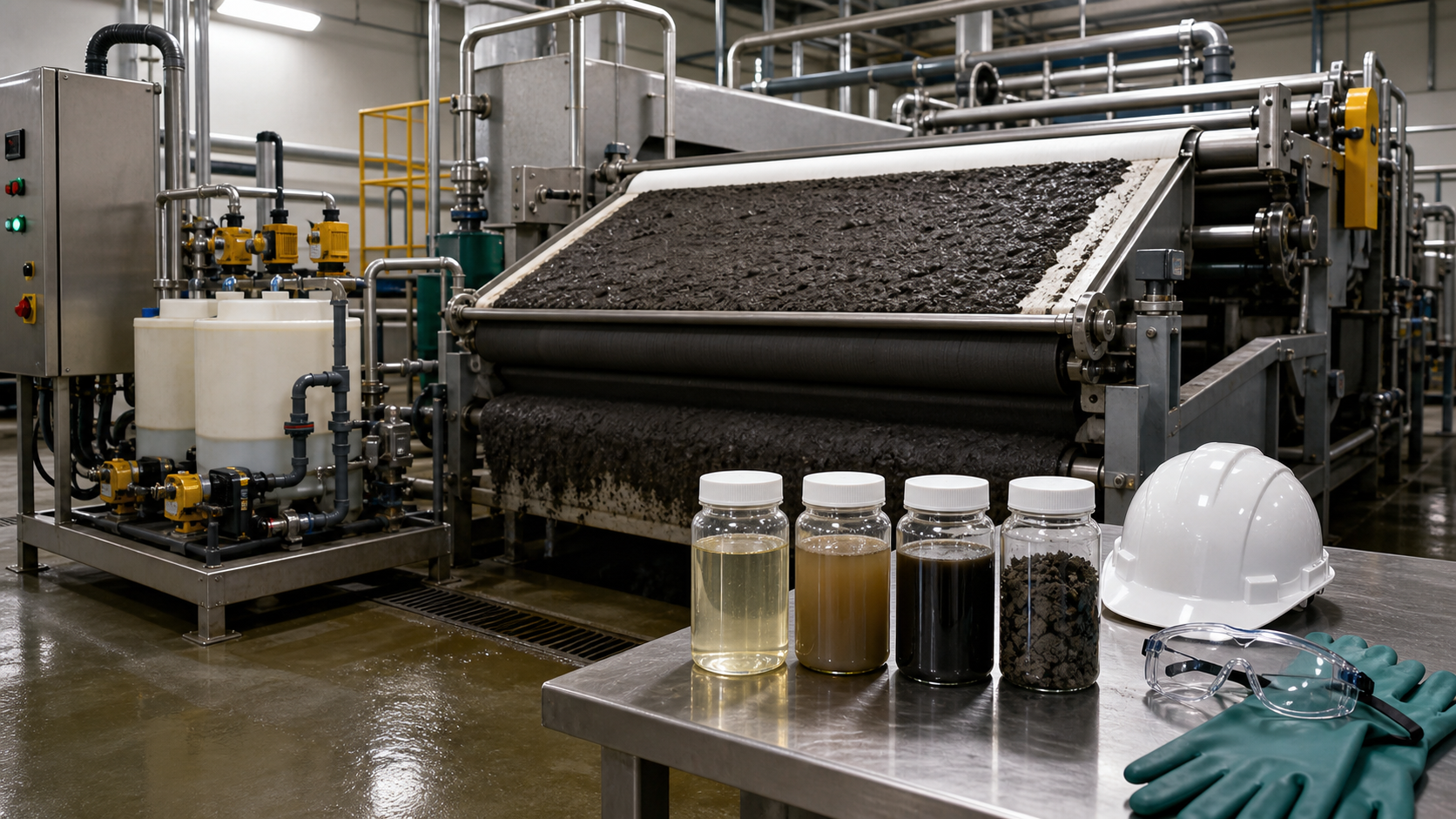 Sludge Dewatering Polymer Dosage Calculator: Flow, Solids and kg/Day
Sludge Dewatering Polymer Dosage Calculator guidance with practical polymer testing and supplier selection notes.
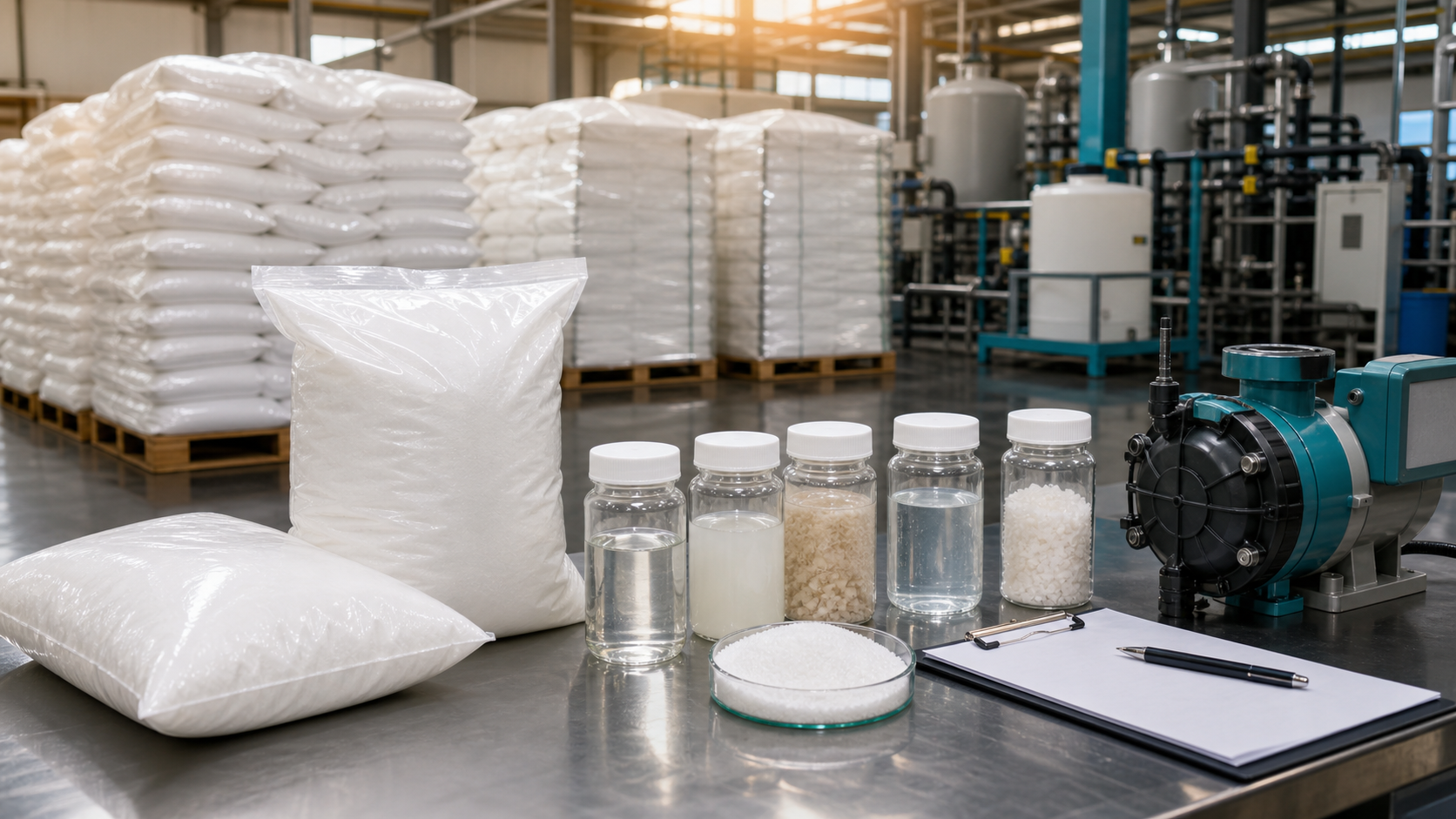 Filter Press Cloth Blinding: Polymer, Sludge or Cleaning Problem?
Filter Press Cloth Blinding Polymer Troubleshooting guidance with practical polymer testing and supplier selection notes.
Cold Weather Sludge Dewatering: How Temperature Changes Polymer DemandCold Weather Sludge Dewatering Polymer Demand guidance with practical polymer testing and supplier selection notes.
Polymer Solution Aging Time for Municipal Sludge DewateringPolymer Solution Aging Time Sludge Dewatering guidance with practical polymer testing and supplier selection notes.
How to Compare Sewage Dewatering Polymer Bids on Total Treatment CostCompare Sewage Dewatering Polymer Bids Total Cost guidance with practical polymer testing and supplier selection notes.
How to Reduce Polymer Cost per Dry Ton of Sewage SludgeReduce Polymer Cost Per Dry Ton Sewage Sludge guidance with practical polymer testing and supplier selection notes.
Cationic PAM Charge Density Selection for Waste Activated SludgeCationic Pam Charge Density Waste Activated Sludge Selection guidance with practical polymer testing and supplier selection notes.
Sludge Holding Tank Mixing and Polymer Conditioning ProblemsSludge Holding Tank Mixing Polymer Conditioning guidance with practical polymer testing and supplier selection notes.
Screw Press Polymer Selection for Small Sewage Treatment PlantsScrew Press Polymer Selection Small Sewage Treatment Plant guidance with practical polymer testing and supplier selection notes.
Winter Sewage Sludge Dewatering: Cold Water and Polymer HydrationWinter Sewage Sludge Dewatering Cold Water Polymer Hydration guidance with practical polymer testing and supplier selection notes.
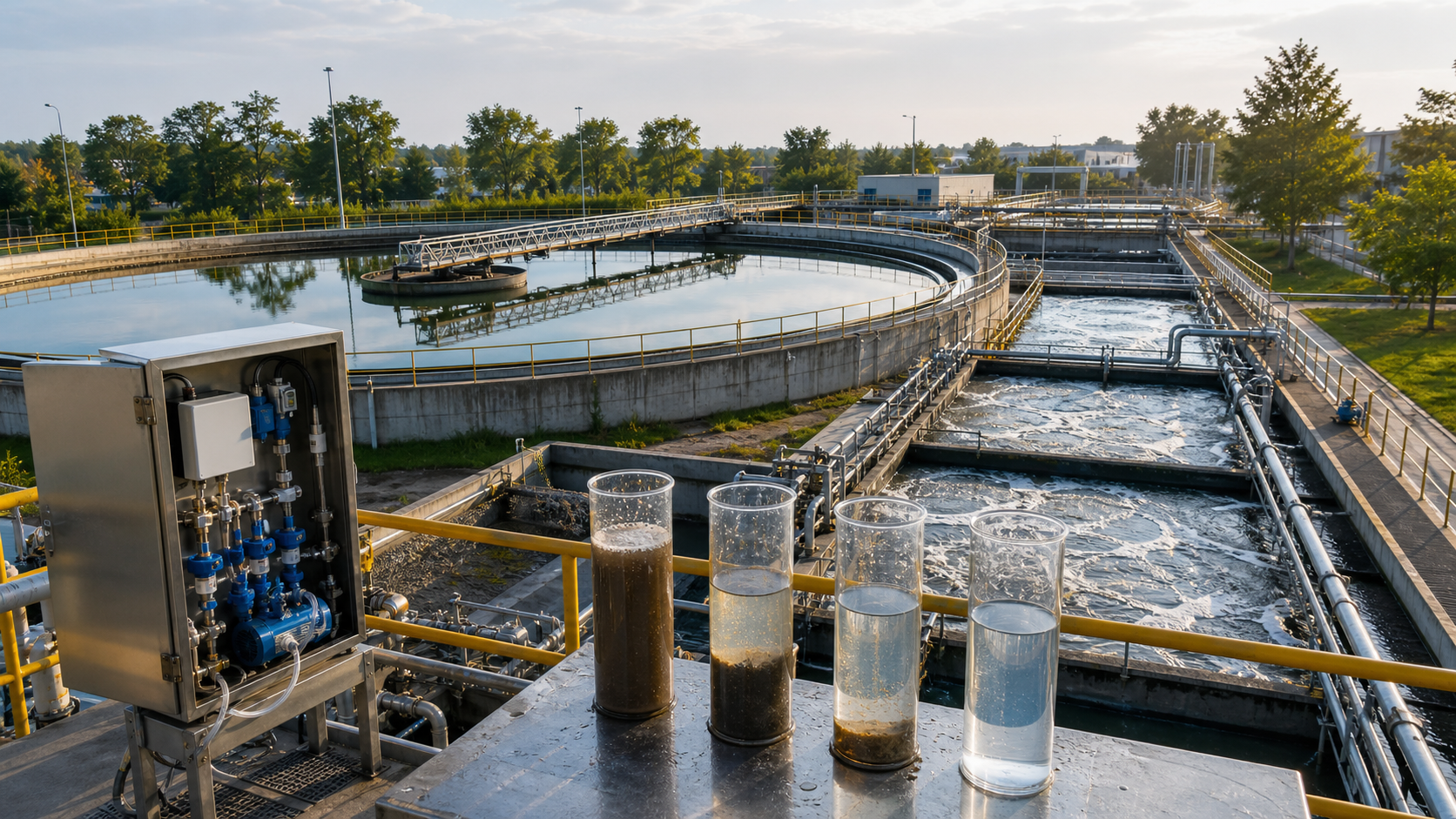 Sewage Sludge Cake Stickiness: Polymer Grade or Overdose?
Sewage Sludge Cake Stickiness Polymer Overdose Grade guidance with practical polymer testing and supplier selection notes.
How to Compare Liquid and Powder PAM for Sewage DewateringLiquid Vs Powder Pam Sewage Dewatering Comparison guidance with practical polymer testing and supplier selection notes.
Sewage Lagoon Sludge Dewatering Polymer Selection GuideSewage Lagoon Sludge Dewatering Polymer Selection guidance with practical polymer testing and supplier selection notes.
Digested Sludge Polymer Demand: Why Anaerobic Sludge Behaves DifferentlyDigested Sludge Polymer Demand Anaerobic Sewage Sludge guidance with practical polymer testing and supplier selection notes.
 Sewage Pump Station Septicity and Downstream Polymer Performance
Pump Station Septicity Polymer Performance Sewage Treatment guidance with practical polymer testing and supplier selection notes.
Polymer Trial Acceptance Criteria for Municipal Sludge ContractsMunicipal Sludge Polymer Trial Acceptance Criteria guidance with practical polymer testing and supplier selection notes.
Foam in Sewage Dewatering Filtrate: Polymer, Surfactant, or Biology?Foam In Sewage Dewatering Filtrate Polymer Surfactant Biology guidance with practical polymer testing and supplier selection notes.
Secondary Clarifier Pin Floc Troubleshooting in Sewage PlantsSecondary Clarifier Pin Floc Troubleshooting Sewage Plant guidance with practical polymer testing and supplier selection notes.
Centrifuge Centrate Solids and Polymer Dose Control for Sewage SludgeCentrifuge Centrate Solids Polymer Dose Sewage Sludge guidance with practical polymer testing and supplier selection notes.
Sewage Plant Polymer Storage: Moisture, Shelf Life, and Bag HandlingSewage Plant Polymer Storage Shelf Life Moisture guidance with practical polymer testing and supplier selection notes.
Primary Sludge and WAS Blend Ratio Effects on Polymer DemandPrimary Sludge Was Blend Ratio Polymer Demand guidance with practical polymer testing and supplier selection notes.
Polymer Overdose Symptoms in Municipal Wastewater TreatmentPolymer Overdose Symptoms Municipal Wastewater Treatment guidance with practical polymer testing and supplier selection notes.
Sewage Sludge Odor and Polymer Conditioning: What Operators Can ControlSewage Sludge Odor Polymer Conditioning guidance with practical polymer testing and supplier selection notes.
Return Activated Sludge Changes and PAM Demand in Sewage PlantsReturn Activated Sludge Pam Demand Sewage Plant guidance with practical polymer testing and supplier selection notes.
Belt Press Polymer Optimization for Municipal Sewage SludgeBelt Press Polymer Optimization Sewage Sludge guidance with practical polymer testing and supplier selection notes.
Storm Inflow and Polymer Dose Response in Sewage TreatmentStorm Inflow Polymer Dose Sewage Treatment guidance with practical polymer testing and supplier selection notes.
Filtrate Quality Troubleshooting After Sludge DewateringSludge Dewatering Filtrate Quality Troubleshooting guidance with practical polymer testing and supplier selection notes.
Polymer Make-Down Control in Sewage Treatment PlantsHydration, aging time, dilution, injection points, and daily checks for repeatable PAM dosing.
Waste Activated Sludge Thickening with PAMHow cationic polymer supports solids capture, thickener stability, and downstream sludge handling.
Sewage Clarifier Bulking Control with Polymer SupportA practical article on floc strength, peak loading, biological recovery, and careful polymer use.
PAM Dosing for Primary and Secondary ClarifiersDifferent trial logic for primary solids capture and secondary biological clarifier support.
Sewage Treatment Polymer Procurement ChecklistSample testing, total cost, packaging, factory documentation, and repeat shipment quality.
Cationic Polyacrylamide for Sewage Sludge DewateringA long practical guide for polymer selection, make-down, dosing, and troubleshooting.
Municipal Clarifier Optimization with PAMA long article on clarifier stress, jar testing, plant trials, and supplier coordination.
Polymer purchasing guides
Quotation and supply
Request a comparable bulk cationic PAM quotation using sludge data, approved grade identity, packing, delivery scope and a documented trial requirement.
Buying Cationic PAM in 25 kg Bags: Delivery SpecificationSpecify 25 kg cationic PAM bag orders using liner, pallet, labelling, receiving and handling requirements instead of relying on nominal bag weight alone.
PAM Bulk Bags vs Small Bags for Sewage Plant SupplyCompare bulk-bag and small-bag PAM supply against lifting equipment, hopper loading, partial-pack protection and stock turnover before changing packaging.
Annual Sewage Polymer Supply: Call-Off Contract PlanningPlan annual sewage polymer supply around an approved grade, release quantities, stock responsibility and change notification rather than one annual forecast.
Active Polymer Content: Set a Clear Quotation BasisCompare PAM quotations on a stated commercial-product or active-polymer basis, with documented active content and separate full-scale dose performance.
Damaged PAM Bags on Delivery: Receiving and Supplier ClaimsDocument torn, wet or unidentified PAM bags at receiving, segregate affected stock and agree evidence for a supplier claim without risking the dosing system.
Qualification and documents
Keep an approved sludge polymer sample linked to the production grade, batch documents and receiving checks before releasing a repeat or bulk order.
Cationic PAM COA Review for Sewage Plant BuyersReview a cationic PAM certificate of analysis against the ordered grade, test methods and agreed limits, then decide which incoming checks are still needed.
PAM Residual Monomer Documents: What Buyers Should RequestRequest product-specific residual monomer information for sewage-treatment PAM without confusing a safety data sheet, batch result and application approval.
Qualifying a Second Cationic PAM Supplier for Sewage SludgeApprove a backup cationic PAM supplier through separate grade identity, preparation checks and controlled crossover trials before an urgent supply interruption.
Equipment-specific purchases
Request a centrifuge polymer replacement using shear exposure, solids capture, cake handling and preparation capacity as qualification conditions.
Belt Press PAM Tender: Specify Drainage and Cake ReleaseWrite a belt press PAM tender around gravity drainage, filtrate solids, cake release and normal operating variation instead of cake dryness alone.
Small Sewage Plant Screw Press PAM: Plan Trial and Order SizePlan screw press PAM purchases for intermittent small-plant operation using trial consumption, usable stock life, preparation duty and confirmed order quantities.
Thickener PAM Buying: Gravity Belt vs Rotary Drum DutiesCompare polymer qualification for gravity belt and rotary drum sludge thickeners using their actual screening, drainage and downstream feed requirements.
Dry PAM for Existing Powder Feeders: Purchase SpecificationsQualify dry PAM against the installed feeder and wetting system using physical handling, feed stability and preparation checks before approving a new grade.
Sludge-specific purchases
Prepare an MBR waste-sludge polymer enquiry using the actual wasted stream, thickening history and dewatering equipment rather than the membrane-process name.
PAM for Thermally Hydrolysed Sludge: Plan a Purchase TrialQualify PAM for thermally hydrolysed and digested sludge with representative feed, preparation and machine testing instead of transferring an old sludge approval.
Polymer Procurement for Alum Phosphorus-Removal SludgeRequest polymer samples for alum-bearing sewage sludge using chemical solids production, blending and dewatering requirements as the qualification boundary.
Cationic PAM for Septage-Blended Sludge: Buying CriteriaQualify cationic PAM for sewage sludge blended with accepted septage using representative blend conditions, equalisation and machine-specific performance.
Replacing Lime Conditioning with Polymer: Filter Press ReviewReview a polymer alternative to lime conditioning against the full sludge process, press cycle and downstream handling requirements before changing purchases.